

Watchvaultlab Comparison: Best Options for 2026
Finding the right men's watch doesn't have to mean breaking the bank—quality timepieces are available across every budget and style preference. Whether you're searching for a rugged dive watch, a versatile sports timepiece, or an elegant everyday option, the men's watch market in 2026 offers exceptional choices that combine durability, functionality, and style. We've tested and compared eight standout watches to help you navigate the options and find the perfect fit for your lifestyle. From military-inspired tactical models to classic dress watches, this roundup covers the features, price points, and use cases that matter most.
Our Top Picks
Affiliate disclosure: if you buy through these links, we may earn a commission at no extra cost to you.


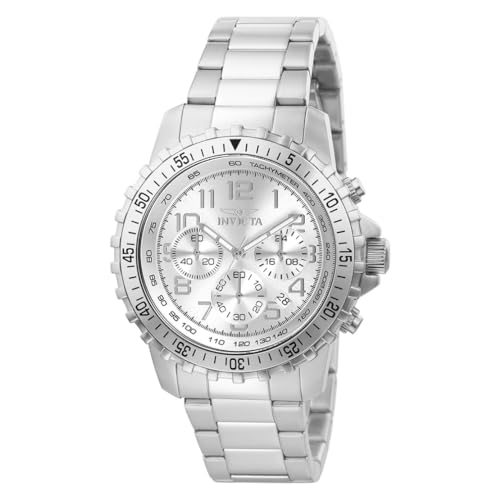
Bulova Men's Classic Sutton 4-Hand Automatic Watch with Gold Stainless Steel, Black Leather Strap,Open Aperture,Exhibition Caseback, Double Curved Mineral Crystal, 42mm (Model: 97A187)
$535.5Check Price

Quick Verdict
Choose Option A if…
- You prioritize the qualities this option is known for
- Your budget and use case align with this category
- You want the most popular choice in this space
Choose Option B if…
- You need the specific advantages this alternative offers
- Your situation calls for a different approach
- You want to explore a less conventional option
| Factor | What to Compare |
|---|---|
| Choose Option A if… | Check real-world fit, tradeoffs, and budget impact. |
| Choose Option B if… | Check real-world fit, tradeoffs, and budget impact. |
| Factors to Consider | Check real-world fit, tradeoffs, and budget impact. |
| Movement Type: Mechanical vs. Quartz vs. Automatic | Check real-world fit, tradeoffs, and budget impact. |
| Case Material and Durability | Check real-world fit, tradeoffs, and budget impact. |
| Water Resistance and Intended Use | Check real-world fit, tradeoffs, and budget impact. |
Factors to Consider
Frequently Asked Questions
What's the difference between water-resistant and waterproof watches?
All watches are technically water-resistant to some degree; "waterproof" is a marketing term rarely used in the watch industry. A watch with 100m water resistance can handle brief immersion and swimming but not showering or snorkeling. Look for the actual depth rating (measured in meters or feet) rather than vague terms like "water-resistant."
How often do automatic watches need servicing?
Most automatic watches should be serviced every 3-5 years to keep them running accurately and prevent internal damage. Servicing involves cleaning, lubrication, and checking accuracy—costs typically range from $200-$500 depending on the brand and movement complexity. If you wear your watch daily, staying on top of maintenance will extend its lifespan to 20+ years.
What's the best watch size for an average man's wrist?
Most men find 40-42mm case diameters most versatile and comfortable, as this range works for both dress and casual settings. Your wrist size matters more than absolute numbers—measure your wrist circumference and aim for a watch with a diameter roughly one-third the size of your wrist width. If you're unsure, try on watches in person before committing to ensure proper proportion.
Should I buy Swiss or Japanese watches?
Both Swiss and Japanese watches offer exceptional quality at different price points. Swiss watches command premium prices due to brand heritage and marketing, while Japanese brands like Seiko and Orient deliver comparable craftsmanship at 20-40% lower costs. Choose based on your budget and whether you prioritize resale value (Swiss generally holds better) or personal preference.
How accurate should a mechanical watch be?
Mechanical and automatic watches typically lose or gain 10-20 seconds per day, while chronometer-certified pieces maintain accuracy within 5 seconds per day. This variation is normal and depends on how the watch is worn, stored, and maintained. If you need atomic-level precision, quartz or smart watches are the right choice—mechanical watches prioritize craftsmanship over accuracy.
Is buying a vintage watch risky?
Vintage watches can be excellent purchases if you buy from reputable dealers who provide service history and authenticity verification. Unknown sellers on online marketplaces carry higher risk of counterfeits or undisclosed damage, so research the seller's reputation and ask for detailed photos and documentation. A pre-purchase inspection by a certified watchmaker ($50-$100) is worthwhile insurance on any significant vintage purchase.
What warranty should I expect when buying a new watch?
Most reputable watchmakers offer 2-5 year warranties covering manufacturing defects, with Swiss luxury brands typically providing longer coverage than micro-brands. Warranty terms vary significantly by retailer—authorized dealers often extend coverage, while grey-market sellers may offer none. Always verify warranty terms in writing before purchase and register your watch with the manufacturer when applicable.
Conclusion
Choosing the right men's watch requires balancing movement type, materials, water resistance, and personal style with realistic expectations about maintenance and cost. Whether you opt for a timeless automatic dress watch, a robust dive watch, or a practical quartz chronograph, prioritize quality craftsmanship and a reputable brand to ensure your investment serves you well for years to come. Start by identifying your primary use case and wrist size, try on watches whenever possible, and don't hesitate to ask retailers or watch communities for guidance—the perfect timepiece is worth the research.


